

RG - 179 is a type of coaxial cable that has been widely used in various electronic and communication applications. As a supplier of RG - 179 coaxial cables, I often receive inquiries about its technical specifications, among which the voltage rating is a frequently asked question. In this blog post, I will delve into the voltage rating of RG - 179, exploring what it means, how it is determined, and its significance in practical applications.
Understanding Voltage Rating
The voltage rating of a coaxial cable like RG - 179 refers to the maximum voltage that the cable can safely handle without experiencing electrical breakdown or other forms of damage. Electrical breakdown occurs when the electric field within the cable exceeds the dielectric strength of the insulating material, causing a sudden flow of current through the insulation. This can lead to short - circuits, arcing, and ultimately, failure of the cable.
The voltage rating is typically specified in terms of root - mean - square (RMS) voltage for alternating current (AC) applications or direct current (DC) voltage. For RG - 179, the voltage rating is influenced by several factors, including the thickness and quality of the dielectric material, the diameter of the inner conductor, and the overall construction of the cable.
Factors Affecting the Voltage Rating of RG - 179
Dielectric Material
The dielectric material in RG - 179 is a crucial factor in determining its voltage rating. RG - 179 commonly uses polyethylene (PE) as the dielectric. Polyethylene has a relatively high dielectric strength, which means it can withstand a significant amount of electric field before breaking down. The thickness of the dielectric layer also plays a role. A thicker dielectric layer can provide more insulation and thus increase the voltage - handling capacity of the cable.
Inner Conductor Diameter
The diameter of the inner conductor affects the electric field distribution within the cable. A larger - diameter inner conductor can reduce the electric field intensity at the surface of the conductor, which in turn can increase the voltage rating. In RG - 179, the inner conductor is typically made of copper or copper - clad steel, and its diameter is carefully chosen to balance electrical performance and mechanical flexibility.
Cable Construction
The overall construction of the RG - 179 cable, including the shielding and outer jacket, can also impact the voltage rating. A well - designed shielding layer can help to contain the electric field within the cable and prevent external interference. The outer jacket provides additional protection against environmental factors such as moisture, abrasion, and chemicals, which can degrade the insulation over time and reduce the voltage rating.
Typical Voltage Rating of RG - 179
The typical voltage rating of RG - 179 is around 300 volts RMS. This rating is suitable for a wide range of low - to medium - voltage applications, such as in telecommunications, instrumentation, and some consumer electronics. However, it's important to note that the actual voltage rating can vary depending on the specific manufacturer and the quality of the cable.
When using RG - 179 in an application, it's crucial to ensure that the operating voltage does not exceed the rated voltage. Exceeding the voltage rating can lead to premature cable failure, which can result in system downtime, safety hazards, and increased maintenance costs.
Comparison with Other High - Temperature Coaxial Cables
In the market, there are other high - temperature coaxial cables that may be used in similar applications as RG - 179. For example, RG304 High Temperature Coaxial Cable, RG302 High Temperature Coaxial Cable, and RG316 High Temperature Coaxial Cable have different voltage ratings and performance characteristics.
RG304 is designed for high - temperature environments and may have a higher voltage rating compared to RG - 179, making it suitable for more demanding applications. RG302 is also a high - temperature cable with good electrical performance, and its voltage rating is determined by its specific construction and dielectric material. RG316 is known for its small size and flexibility, and its voltage rating is also tailored to its intended applications.
Importance of Voltage Rating in Practical Applications
In practical applications, understanding the voltage rating of RG - 179 is essential for ensuring the safe and reliable operation of electronic systems. For example, in a telecommunications network, if the voltage rating of the coaxial cable is exceeded, it can lead to signal degradation, interference, and even equipment damage. In an instrumentation system, inaccurate voltage ratings can result in measurement errors and unreliable data.

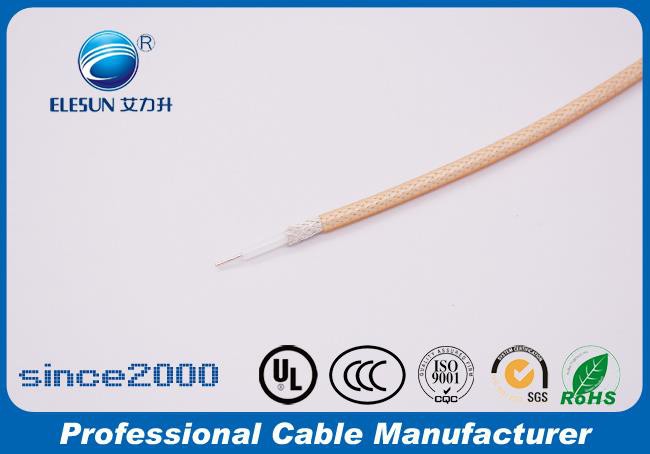
When selecting a coaxial cable for a particular application, it's important to consider the voltage requirements of the system. If the application involves high - voltage signals, a cable with a higher voltage rating, such as RG304, may be more appropriate. On the other hand, if the application has lower voltage requirements, RG - 179 can be a cost - effective and reliable choice.
Conclusion and Call to Action
In conclusion, the voltage rating of RG - 179 is an important specification that determines its suitability for different applications. As a supplier of RG - 179 coaxial cables, I am committed to providing high - quality products that meet or exceed the specified voltage ratings. Whether you are working on a telecommunications project, an instrumentation system, or any other application that requires coaxial cables, I can offer you the right solution.
If you have any questions about the voltage rating of RG - 179 or other coaxial cables, or if you are interested in purchasing our products, please feel free to contact us for a detailed discussion. We look forward to working with you to meet your specific needs.
References
- "Coaxial Cable Handbook" by Tom Brown
- Technical specifications provided by coaxial cable manufacturers.


