Hey there! As a supplier of RG - 58 coaxial cables, I'm super excited to chat with you about the construction materials of RG - 58. This cable is a well - known player in the world of coaxial cables, and understanding its construction materials can help you make better decisions when it comes to your projects.
Let's start with the core, which is the heart of the RG - 58 cable. The core is typically made of a single solid copper wire or a stranded copper wire. Solid copper cores are great because they offer excellent conductivity. They're like the super - highways for electrical signals, allowing them to travel quickly and efficiently. Stranded copper cores, on the other hand, are more flexible. They're a good choice when you need to bend the cable around corners or move it around a lot. The conductivity of copper is top - notch, and it helps reduce signal loss over the length of the cable.
Surrounding the core is the dielectric material. In RG - 58, the most common dielectric is polyethylene (PE). Polyethylene is a fantastic material for this purpose. It has high dielectric strength, which means it can effectively separate the core from the outer conductor without allowing electrical current to leak through. It also has low loss characteristics, which is crucial for maintaining the integrity of the signal. The dielectric acts as an insulator, preventing the signal from dissipating into the surrounding environment.
Next up is the outer conductor. The outer conductor in RG - 58 is usually made of a braided copper shield. This braided shield serves two main purposes. First, it provides a path for electrical current to flow back to the source, completing the electrical circuit. Second, it acts as a shield against electromagnetic interference (EMI). EMI can come from a variety of sources, like other electrical devices or radio waves. The braided copper shield blocks these external signals from interfering with the signal traveling through the core. Some RG - 58 cables also have an additional layer of foil under the braided shield for even better shielding.
Finally, we have the outer jacket. The outer jacket is made of a tough, protective material, often PVC (polyvinyl chloride). PVC is durable and resistant to abrasion, moisture, and chemicals. It keeps the inner components of the cable safe from physical damage and environmental factors. The outer jacket also gives the cable a nice, finished look and makes it easier to handle.
Now, if you're in the market for coaxial cables, we also offer some other great options. Check out our 5D - FB Foam PE Insulated Coaxial Cable. This cable has a foam polyethylene dielectric, which provides even better electrical performance and lower signal loss. It's a great choice for high - frequency applications.
Another option is our 3D - FB Foam PE Insulated Coaxial Cable. Similar to the 5D - FB, it uses foam PE insulation and is suitable for a wide range of applications where signal quality is important.
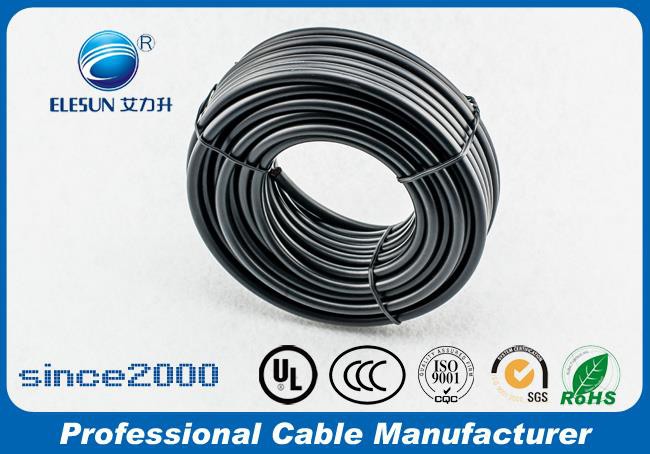

And if you're looking for something a bit different, our RG223U Coaxial Cable is also a great option. It has similar construction to RG - 58 but with some improvements in terms of shielding and performance.
If you're interested in any of these cables, whether it's RG - 58 or one of our other products, we're here to help. We can provide you with detailed information about the cables, answer any questions you might have, and work with you to find the best solution for your project. Don't hesitate to reach out to us for a quote or to discuss your specific requirements. We're always happy to have a chat and see how we can assist you.
References:
- General knowledge of coaxial cable construction and materials in the industry.
- Technical specifications of RG - 58 and related coaxial cables.