In the realm of satellite communication systems, the choice of coaxial cables plays a pivotal role in ensuring reliable and efficient signal transmission. One such cable that often comes under consideration is the RG178U. As a supplier of RG178U coaxial cables, I am frequently asked whether this cable can be used in satellite communication systems. In this blog post, I will delve into the technical aspects of RG178U and evaluate its suitability for satellite communication applications.
Understanding RG178U Coaxial Cable
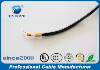
RG178U is a type of coaxial cable that is widely used in various communication applications. It features a solid copper center conductor, a dielectric made of polyethylene, and a braided copper shield. The cable is known for its flexibility, low loss, and high frequency performance. These characteristics make it a popular choice for applications that require high-speed data transmission and reliable signal quality.
The construction of RG178U is designed to minimize signal loss and interference. The solid copper center conductor provides a low-resistance path for the electrical signal, while the polyethylene dielectric helps to maintain the integrity of the signal by reducing capacitance and impedance. The braided copper shield acts as a barrier against external electromagnetic interference, ensuring that the signal remains clean and clear.
Requirements of Satellite Communication Systems
Satellite communication systems have unique requirements that must be met by the coaxial cables used in these systems. Some of the key requirements include:


- Low Loss: Satellite communication involves the transmission of signals over long distances, often through the vacuum of space. Therefore, it is crucial to minimize signal loss to ensure that the signal reaches its destination with sufficient strength. Low-loss coaxial cables are essential for maintaining the integrity of the signal and reducing the need for signal amplification.
- High Frequency Performance: Satellite communication systems operate at high frequencies, typically in the microwave range. Coaxial cables used in these systems must be able to support these high frequencies without significant signal degradation. The cable's ability to handle high frequencies is determined by its characteristic impedance, capacitance, and attenuation.
- Reliability and Durability: Satellite communication systems are often deployed in harsh environments, such as space or remote locations. The coaxial cables used in these systems must be able to withstand extreme temperatures, radiation, and mechanical stress. They must also be resistant to corrosion and other environmental factors to ensure long-term reliability.
- Electromagnetic Compatibility (EMC): Satellite communication systems are sensitive to electromagnetic interference (EMI) from various sources, such as other electronic devices or natural phenomena. Coaxial cables used in these systems must have good EMC performance to minimize the impact of EMI on the signal.
Evaluating RG178U for Satellite Communication
Now that we understand the requirements of satellite communication systems, let's evaluate the suitability of RG178U for these applications.
- Low Loss: RG178U has relatively low loss compared to some other types of coaxial cables. Its solid copper center conductor and polyethylene dielectric help to minimize signal loss, especially at high frequencies. However, the loss characteristics of RG178U may not be as low as some specialized high-performance coaxial cables designed specifically for satellite communication.
- High Frequency Performance: RG178U is capable of supporting high frequencies, typically up to several gigahertz. This makes it suitable for many satellite communication applications that operate in the microwave range. However, for applications that require extremely high frequencies or very low signal loss, other coaxial cables may be more appropriate.
- Reliability and Durability: RG178U is a relatively flexible and durable cable. It can withstand moderate mechanical stress and is resistant to some environmental factors. However, in harsh environments such as space, where extreme temperatures, radiation, and vacuum conditions exist, RG178U may not provide the level of reliability and durability required. Specialized cables with enhanced insulation and shielding materials may be needed for these applications.
- Electromagnetic Compatibility (EMC): RG178U has a braided copper shield that provides good protection against external electromagnetic interference. However, for applications that require high levels of EMC performance, additional shielding or filtering may be necessary.
Alternatives to RG178U for Satellite Communication
While RG178U can be used in some satellite communication applications, there are other coaxial cables that may be more suitable for certain requirements. Some of these alternatives include:
- Semi-flexible Teflon Coaxial Cable: This type of cable features a Teflon dielectric, which provides excellent high-frequency performance and low loss. It is also highly resistant to extreme temperatures and chemicals, making it suitable for harsh environments.
- SFF Series High Temperature Coaxial Cable: The SFF series cables are designed for high-temperature applications. They have a special insulation material that can withstand temperatures up to several hundred degrees Celsius, making them ideal for use in satellite communication systems that operate in high-temperature environments.
- RG400 High Temperature Coaxial Cable: RG400 is a high-performance coaxial cable that offers low loss and high frequency performance. It is commonly used in satellite communication systems and other high-speed data transmission applications.
Conclusion
In conclusion, RG178U can be used in some satellite communication applications, especially those that do not require extremely high performance or operate in harsh environments. However, for more demanding applications, such as those that require low loss, high frequency performance, and high reliability, other coaxial cables may be more suitable. As a supplier of RG178U coaxial cables, I can provide you with detailed information about the cable's specifications and performance characteristics to help you make an informed decision.
If you are interested in purchasing RG178U coaxial cables or need more information about our products, please feel free to contact us. We are committed to providing high-quality products and excellent customer service. Our team of experts is available to assist you with any questions or concerns you may have.
References
- "Coaxial Cable Basics," by Mark I. Montrose.
- "Satellite Communication Systems: Design Principles," by Tapan K. Sarkar.
- Manufacturer's datasheets for RG178U, Semi-flexible Teflon Coaxial Cable, SFF Series High Temperature Coaxial Cable, and RG400 High Temperature Coaxial Cable.